
How credit cards work, the main types, and how to choose the right one — a plain-language guide for Canadians. Plus how cards fit with building credit and borrowing.
Credit cards are one of the most useful financial tools in Canada — for everyday spending, earning rewards, and building the credit history that unlocks better borrowing. Used well, they cost nothing and pay you back; used carelessly, the interest adds up fast. This hub explains how cards work, the main types, and how to pick the right one, with a detailed guide for each.

Photo by Leeloo The First on Pexels
Each guide explains how it works, the costs and who it suits.
A credit card gives you a revolving credit limit you can spend against and repay each month. The key to using one well is understanding a few terms:
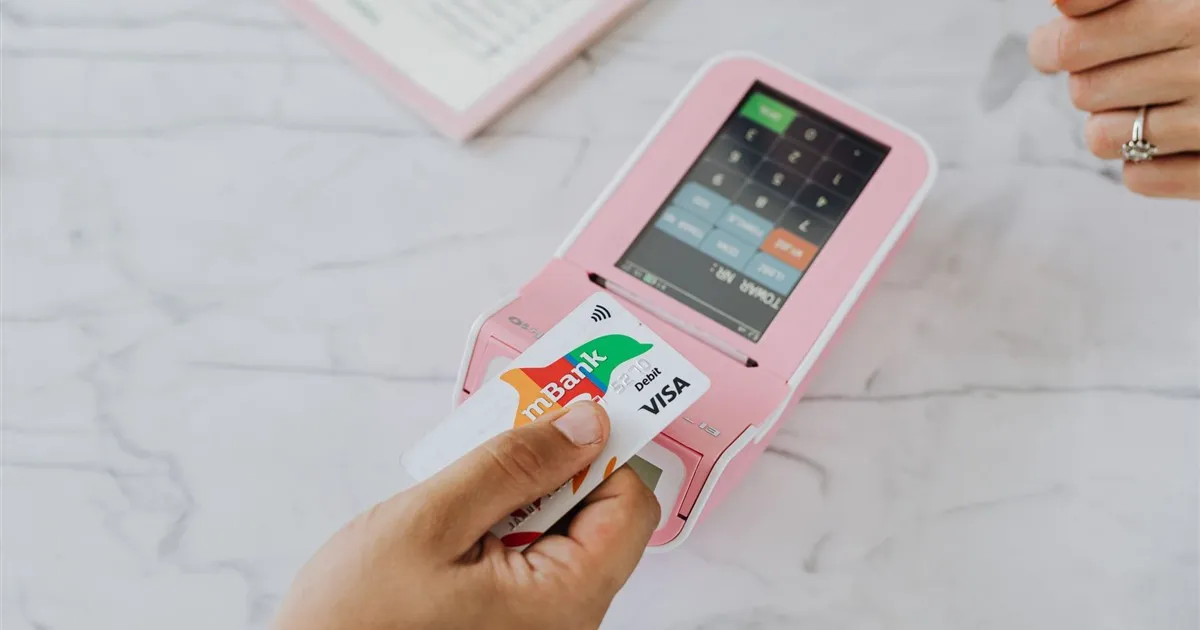
Photo by www.kaboompics.com on Pexels
The golden rule: pay in full every month. Do that and a credit card is essentially free convenience plus rewards and credit-building. The Financial Consumer Agency of Canada has neutral tools to compare cards.
The best card depends on how you'll use it. Match the card to your habits:

Photo by Nataliya Vaitkevich on Pexels
Always weigh the annual fee against the rewards you'll realistically earn, and check the interest rate in case you ever carry a balance.
Beyond convenience, a credit card is one of the best tools for building credit in Canada. Every on-time payment is reported to Equifax and TransUnion, steadily raising your score — which then qualifies you for better cards, loans and a mortgage. Keep your balance low relative to your limit, never miss a payment, and don't apply for too many cards at once.
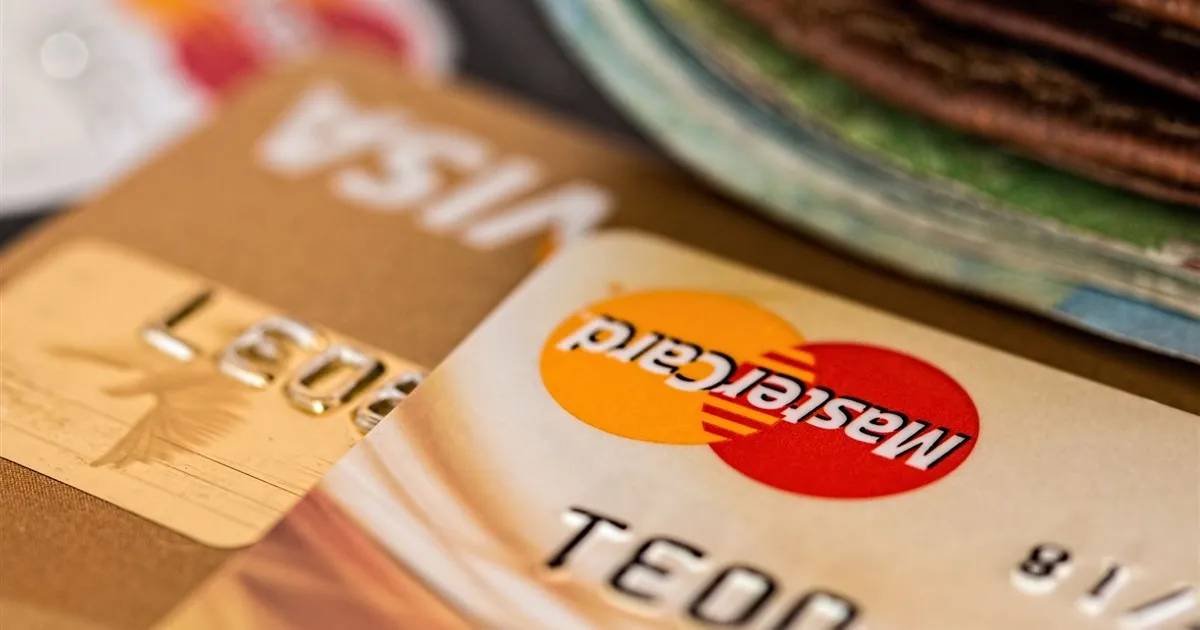
Photo by Pixabay on Pexels
If you're starting out or rebuilding, a secured card is the most reliable entry point. And when you need to borrow beyond a card, Loanspot can match you with personal loan options based on your full profile — with no impact to your credit to compare.
The questions Canadians ask most.
A card gives you a revolving limit to spend against. Pay your balance in full by the due date and you owe no interest on purchases; carry a balance and interest (often around 20% APR) applies.
Common types include cashback and rewards cards, low-interest and balance-transfer cards, secured cards, and credit-building or student cards. The right one depends on how you'll use it.
Pay your statement balance in full by the due date every month. That uses the grace period so you pay no interest on purchases, making the card essentially free to use.
A secured or credit-building card is the most reliable starting point. Used responsibly — on time, low balance — it builds the history that qualifies you for better cards later.
Only if the rewards you'll realistically earn exceed the fee. If you spend modestly, a no-fee card is usually the better value.
Cards suit everyday spending you can repay monthly; a personal loan suits a larger, planned amount at a fixed payment. For high-interest card debt, consolidation can cost less.
See what you may qualify for with Loanspot. No obligation, no impact to your credit to compare.
Check your options →Dig into each card type, or see what you qualify for.
Cashback cards Compare cards Credit-building cards Secured cards Credit score Build credit