
What a chequing account does, how to avoid fees, and how to pick the right one — a clear guide for Canadians. Plus financing when you need to borrow.
Chequing accounts are the everyday workhorse of Canadian banking — where your pay is deposited and your spending, bills and e-transfers flow through. They're built for frequent transactions rather than earning interest, and the biggest difference between them is fees. This guide explains how chequing accounts work and how to avoid paying more than you need to.
A chequing account is a transaction account designed for money moving in and out: direct deposit of your pay, debit-card purchases, bill payments, pre-authorized withdrawals and Interac e-transfers. Unlike a savings account, it's built for unlimited everyday use rather than growing your balance, so it pays little or no interest.
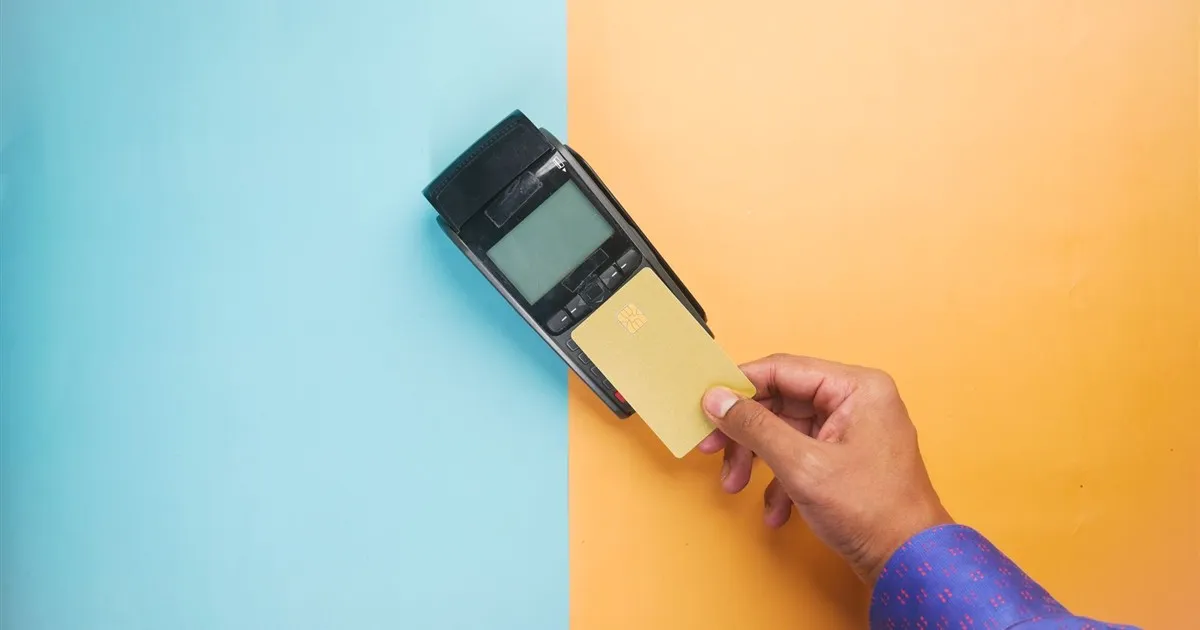
Photo by Towfiqu barbhuiya on Pexels
Most Canadians keep their day-to-day money in a chequing account and move surplus into savings. Deposits are protected by CDIC at member institutions, so your everyday cash is safe while it sits there.
When you compare chequing accounts, these are the features that matter most day to day:

Photo by Pavel Danilyuk on Pexels
Fees are where chequing accounts differ most. Many big-bank accounts charge a monthly fee, but you can usually avoid it — or skip it entirely:
No-fee chequing accounts have become common in Canada, often with unlimited transactions and free e-transfers, so paying a monthly fee is increasingly optional. The Financial Consumer Agency of Canada lets you compare account fees and features for free.
Match the account to how you actually bank. If you make lots of transactions, prioritize unlimited use and free e-transfers. If you keep a steady balance, an account that waives the fee with a minimum balance can be effectively free. If you rarely visit a branch, an online no-fee account with a great app may be the best value.

Photo by Vitaly Gariev on Pexels
Also weigh ATM and branch access, overdraft options, and any welcome bonus — but don't let a one-time offer outweigh ongoing fees. Add up a full year of costs before deciding.
Opening a chequing account is quick and can usually be done online in minutes. You generally need to be a Canadian resident, the age of majority (or use a youth/student account), and provide:
You have the right to open a basic bank account in Canada even without a job or a minimum deposit, as long as you provide acceptable identification. Once open, set up direct deposit and move over your bill payments to start using it right away.
The questions Canadians ask most.

Photo by Rann Vijay on Pexels
A chequing account is a transaction account for everyday money — direct deposit, debit purchases, bill payments and e-transfers. It's built for frequent use rather than earning interest.
Chequing is for everyday spending with unlimited transactions and little interest; savings is for growing money you don't need right away, with higher interest and fewer transactions. Most people use both.
Keep the minimum balance that waives the fee, choose a no-fee account from an online bank or credit union, or qualify for a free student, newcomer, youth or senior plan.
Yes. In Canada you have the right to open a basic bank account with acceptable ID even without a deposit or a job, though some accounts have their own requirements.
Yes. Eligible deposits at CDIC member institutions are insured up to $100,000 per category per institution, and credit unions have similar provincial coverage.
Usually little or none, because they're designed for transactions. To earn meaningful interest, keep surplus cash in a savings or high-interest savings account.
One 60-second application matches you with Canadian lenders. No obligation, no impact to your credit score to compare.
Get matched now →Compare account types, or get matched with a lender.
All banking High-interest savings Savings accounts Newcomer accounts Student accounts Youth accounts