
Chequing, savings and specialty accounts — how Canadian banking works, what to watch for in fees, and how to choose. Your plain-language starting point, plus financing when you need it.
Banking is the foundation of your money life in Canada — where your pay lands, your bills come out, and your savings grow. Choosing the right accounts (and avoiding needless fees) can save you hundreds a year. This hub explains the main account types, how to pick, and the protections that keep your money safe, with a detailed guide for each account.

Photo by www.kaboompics.com on Pexels
Each guide explains the features, fees and how to choose.
The best account is the one that fits how you actually use your money. A few things to weigh before you open or switch:

Photo by Ivan S on Pexels
Online banks and credit unions often charge lower fees and pay higher savings rates than the big banks, so it's worth comparing. The Financial Consumer Agency of Canada has free tools to compare account features side by side.
Money held in eligible accounts at member institutions is protected by the Canada Deposit Insurance Corporation (CDIC), which covers up to $100,000 per insured category, per member institution, if a bank fails. Most credit unions have similar provincial coverage. That protection is one reason a bank account is the safest place to keep everyday cash.
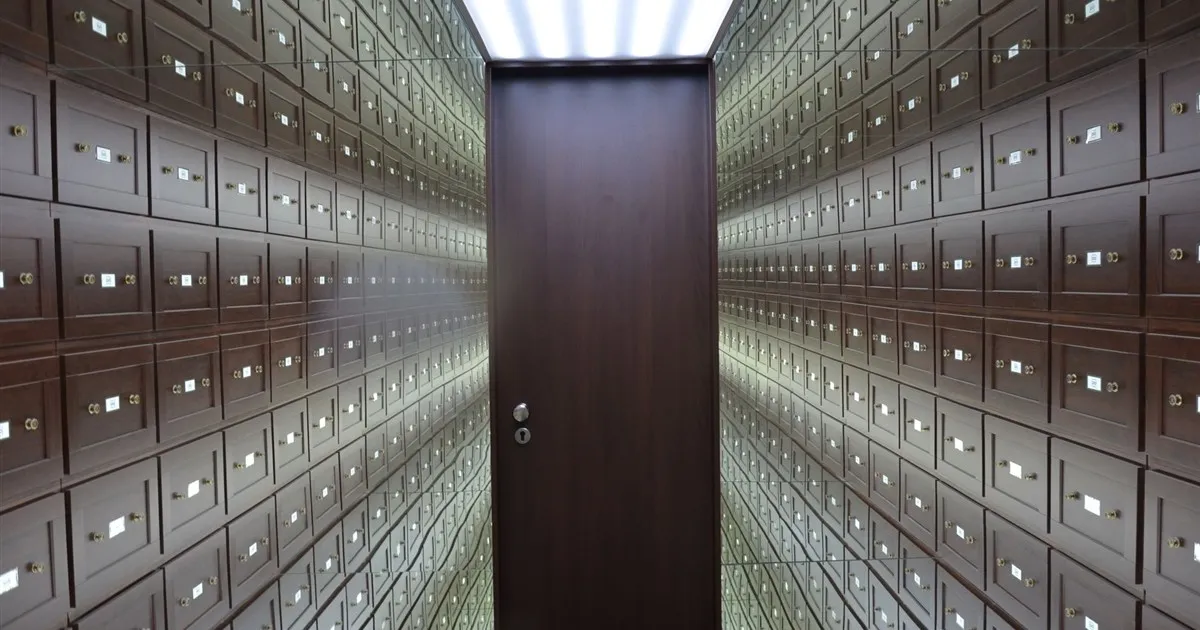
Photo by Ehtiram Mammadov on Pexels
You also have consumer rights when you bank: clear disclosure of fees, the ability to open a basic account, and protections around holds on deposits. Knowing them helps you avoid surprises and choose an institution that treats you fairly.
Your bank accounts and your borrowing work together. Lenders deposit funds to your chequing account and take payments from it, a healthy savings buffer strengthens any application, and the income that lands in your account is what lenders verify. So when you need to borrow, the account you bank with is already part of the picture.

Photo by Kindel Media on Pexels
If you need financing, Loanspot matches you with licensed Canadian lenders in one 60-second application — for a personal loan, to consolidate debt, or for an emergency — with no impact to your credit score to compare, and funds sent by e-transfer to the account you already use.
The questions Canadians ask most about banking.
The main types are chequing accounts for everyday spending, savings and high-interest savings accounts, and specialty accounts for newcomers, students and youth. Many people use a chequing account paired with a savings account.
Look for no-fee accounts, keep the minimum balance that waives the fee, or use student, newcomer, youth and senior plans. Online banks and credit unions often charge lower fees than the big banks.
Yes. Eligible deposits at CDIC member institutions are insured up to $100,000 per category per institution, and credit unions have similar provincial coverage, so your everyday cash is protected if a bank fails.
Most people need both: a chequing account for spending and bills, and a savings or high-interest savings account to grow money you don't need right away.
Yes. Open the new account, move your direct deposits and pre-authorized payments over, then close the old one. Comparing fees and rates first can save you money every month.
Loanspot isn't a bank — it's a loan-matching service. When you need to borrow, it matches you with licensed Canadian lenders, with funds sent by e-transfer to the bank account you already use.
One 60-second application matches you with Canadian lenders. No obligation, no impact to your credit score to compare.
Get matched now →Dig into each account type, or get matched with a lender.
Chequing accounts High-interest savings Savings accounts Newcomer accounts Student accounts Youth accounts