By Jason Williams, Personal Finance Editor at Loanspot.ca · Published November 2025 · Last updated June 2026
The Canada Secondary Suite Loan lets eligible homeowners borrow up to $80,000 at a 2% fixed interest rate over 15 years to build or upgrade a legal rental suite. To apply for the secondary suite loan, confirm your local zoning, prepare detailed plans and permits, and gather your documents now so you are ready when the federal portal opens.
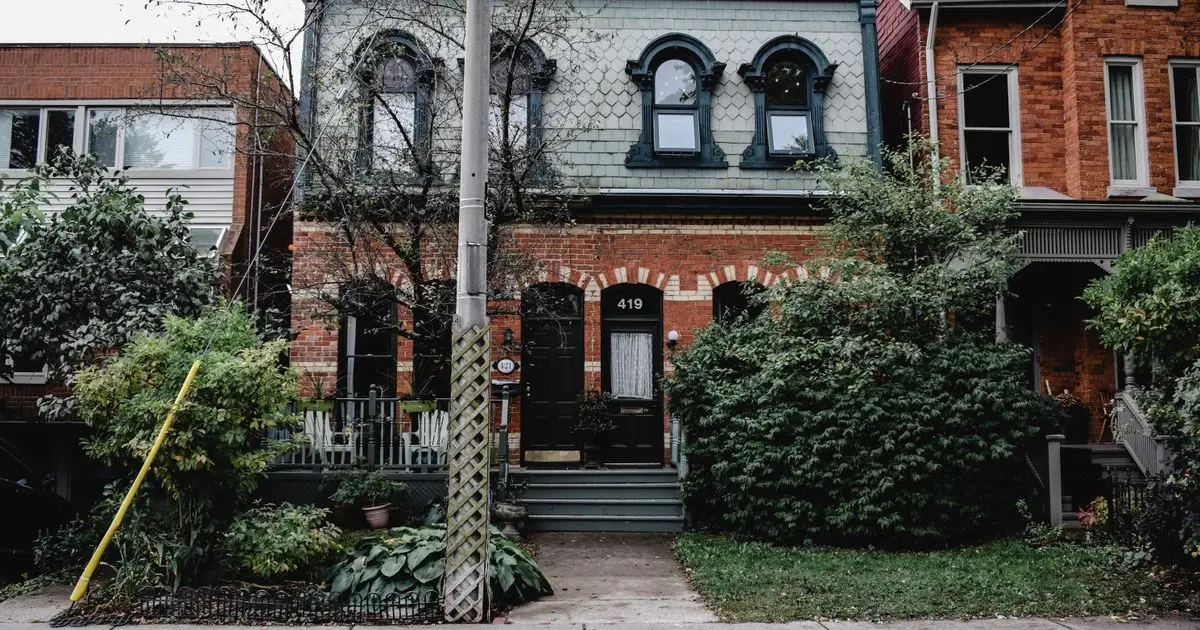
As housing costs continue to rise across Canada, more homeowners are exploring creative ways to generate extra income, accommodate family, and increase property value. Secondary suites have become one of the most popular solutions. To support this trend and help increase affordable housing, the federal government announced the Canada Secondary Suite Loan Program, a national funding initiative designed to make building or upgrading secondary suites easier and more affordable.
If you are considering building a legal rental suite in your home, this borrowing program may offer a financial advantage. However, many Canadians are unsure about eligibility requirements, how the program works, and most importantly, how to apply for the Canada Secondary Suite Loan Program. Since official application details are still rolling out, having a clear, practical guide is essential for homeowners who want to prepare early and ensure their project qualifies.
This full guide will walk you through everything you need to know about the Canada Secondary Suite Loan Program. We will explain eligibility requirements, funding amounts, the approval process, documents you should prepare, and where the program currently stands. If you want to understand how to apply for the Canada Secondary Suite Loan Program, this complete breakdown will help you start your planning with confidence.
What Is the Canada Secondary Suite Loan Program?
The Canada Secondary Suite Loan Program was introduced as part of a national initiative to increase affordable housing and support homeowners in building rental-ready living spaces. In recent years, Canada has faced significant housing shortages and rising demand for livable rental units. Secondary suites offer immediate benefits: they can be created on existing residential land, they increase rental supply, and they allow homeowners to generate long-term income.
Under this program, eligible homeowners can receive a low-interest loan—up to $80,000—to build a new secondary suite or upgrade an existing one to meet modern safety and building standards. Suites must be self-contained and legally compliant, meaning they need their own private entrance, kitchen, washroom, living area, sleeping space, and meet municipal building codes.
Unlike typical home renovation loans, which often carry higher interest rates or shorter repayment terms, the Canada Secondary Suite Loan Program offers a 2% fixed interest rate and a 15-year repayment period. For many homeowners, this makes the cost of construction far more manageable than traditional financing or credit options.
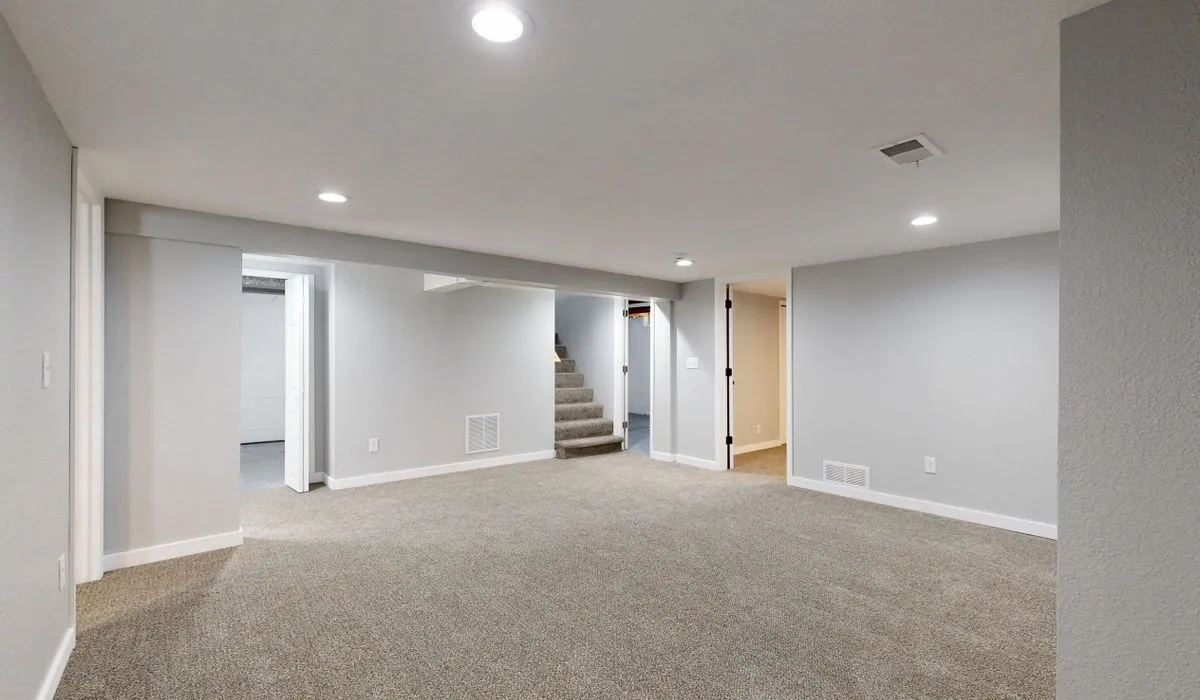
What Counts as a Secondary Suite?
Secondary suites come in many forms. The program is designed to support several types, as long as they are fully self-contained residential units. Common examples include:
- Basement apartments, where an unused basement is converted into a separate legal unit
- Laneway houses, usually constructed at the rear of a lot facing an alley or lane
- Garage conversions, turning a detached or attached garage into a livable space
- Garden suites or granny flats, which are detached small homes built in the backyard
- In-law suites, built within or attached to the existing home with a separate entrance
These suites must be used for long-term rental, not short-term vacation rentals. The government’s goal is to expand affordable rental supply nationwide, so units rented for 90 days or more are considered compliant, while short-term rental properties do not qualify.
Why the Government Created This Program
Construction costs and borrowing costs have both gone up in recent years. Many homeowners want to create a secondary suite, but the upfront price for materials, labour, permits, and safety upgrades can be overwhelming. In many cities, even finishing a basic basement to legal rental standards can exceed $50,000.
The Canada Secondary Suite Loan Program aims to remove that financial barrier. By offering a predictable low-interest loan with a long repayment window, the government hopes to accomplish several goals:
- Increase affordable housing options in communities of all sizes
- Encourage homeowners to build safe and legal rental units
- Reduce pressure on crowded housing markets
- Give homeowners an opportunity to earn reliable rental income
- Allow multi-generational families to live together more comfortably
Many municipalities have changed zoning rules to make secondary suites easier to build, and this loan program is intended to complement those efforts by providing funding support.
Current Status of the Program
Although the Canada Secondary Suite Loan Program was announced in the 2024 Fall Economic Statement, official application forms and processing details have been delayed. As of the most recent updates, the federal government has not released final application instructions or an official launch portal. Some industry sources have suggested that the rollout may be postponed, but an exact timeline has not been formally confirmed.
This delay makes preparation even more important. Once the application portal opens, homeowners who already have their documents and permits organized will be able to apply faster and improve their chances of being approved before funding limits are reached.
Eligibility Requirements for the Canada Secondary Suite Loan Program
While official administrative instructions are pending, the government has outlined clear requirements for eligibility. Homeowners who wish to apply should expect to meet the following criteria:
1. You must own and live in the home
The property where you plan to build or renovate a suite must be your primary residence. The goal of the program is to help homeowners, not real estate investors, so you cannot apply for a rental property you do not live in.
2. The suite must be intended for long-term rental
Only long-term rentals qualify. Units used for short-term vacation stays, holiday rentals, or Airbnb-style bookings are not eligible.
3. The property must comply with local bylaws
Before any loan can be approved, the project must meet:
- Zoning requirements
- Safety regulations
- Fire separation standards
- Egress and ventilation rules
- Municipal building codes
Homeowners must apply for and obtain proper permits before construction begins. Illegal or unpermitted suites will not qualify.
4. You must be financially capable of repaying the loan
Although the interest rate is low, the program still requires you to demonstrate reasonable financial stability. Applicants should expect lenders to verify income, check credit, and ensure mortgage and property taxes are up to date.
5. Insurance requirements must be met
The home must be insured for its current value, and some lenders will also require insurance coverage that reflects the home’s post-renovation value.
How Much Can You Borrow?
The federal Canada Secondary Suite Loan Program offers:
- Up to $80,000
- 2% fixed interest rate
- 15-year repayment term
A fixed rate means payments remain consistent throughout the life of the loan, regardless of market interest rate changes.
What the Loan Can Be Used For
One of the program’s strengths is that it covers the full range of expenses required to create a legal, livable unit. Eligible costs include:
- Construction materials (lumber, flooring, drywall, insulation)
- Labor from licensed contractors
- Electrical and plumbing upgrades
- HVAC and ventilation work
- Framing, walls, and fire separation
- Kitchen and bathroom installation
- Windows, doors, and lighting
- Architectural or engineering design fees
- Accessibility modifications such as ramps or widened doorways
- Municipal permits, zoning approvals, inspection fees
- Safety improvements like smoke detectors, carbon monoxide systems, and emergency exits
If a homeowner performs work themselves, the program typically covers materials only. Labor must be completed by a licensed professional in order to be financed.
What About Income Limits?
The federal program does not set strict household income limits. Unlike certain municipal or provincial renovation grants, the goal here is to include a wide range of homeowners. However, some provinces or cities have their own secondary suite incentives, and many of those do require income eligibility. The Canada Secondary Suite Loan Program is more flexible.
How to Apply for the Secondary Suite Loan Program
Because the official application system has not yet launched, homeowners who want to prepare early should take proactive steps. When applications open, the process is expected to involve multiple stages: confirming eligibility, gathering documents, submitting plans for approval, and providing cost estimates.
Below is a full breakdown of how to apply and what you should prepare.
Step 1: Confirm That Your Property Allows Secondary Suites
Before spending money on plans or permits, homeowners should contact their municipality to verify zoning rules. Not all neighborhoods or property types automatically qualify.
Speak with your local planning department about:
- Zoning bylaws
- Suite size minimums or maximums
- Parking requirements
- Separate entrance requirements
- Fire code and egress rules
- Historic property limitations (if applicable)
If your property is in a jurisdiction that prohibits secondary suites, you will not be able to apply for the program.
Step 2: Design and Plan the Project
To apply for the program, you will need detailed plans. Most homeowners hire an architect or designer to prepare:
- Floor plans
- Electrical, plumbing, and mechanical layouts
- Interior layout and room dimensions
- Safety systems (smoke alarms, fire separations, exits)
These plans help the municipality approve your permits and also allow contractors to provide accurate cost estimates.
Step 3: Obtain Contractor Quotes and Cost Estimates
The Canada Secondary Suite Loan Program requires itemized pricing from licensed contractors. The estimates must include:
- Labor costs
- Material costs
- Installation fees
- Electrical and plumbing charges
- Finishing work
- Timeline for completion
Using multiple quotes may strengthen your application, especially if reviewers want to confirm that your projected costs are realistic.
Step 4: Apply for Local Building Permits
Municipal permits are required before construction begins. The process varies depending on location and project complexity.
Basement suites often need building and plumbing permits. Laneway houses or detached suites may require site surveys, engineering reports, and utility access approvals.
Having these permits complete before submitting your application will save significant time later.
Step 5: Collect Required Documents
To make your application as strong as possible, prepare a complete documentation package that includes:
- Proof of property ownership
- Government-issued photo ID
- Mortgage statements or proof of good standing
- Property tax receipts
- Building permits
- Detailed project plans
- Itemized quotes from licensed contractors
- Proof of home insurance
- Confirmation that the property is your primary residence
The more organized your documents are, the faster your loan can be reviewed.
Step 6: Submit Your Application (Once the Portal Opens)
The government is expected to create an online portal where homeowners can upload documents and apply. Once applications open, processing will likely include:
- Review of submitted documents
- Confirmation of zoning compliance
- Assessment of project cost and scope
- Financial review and credit check
- Final loan approval or requests for more details
Funds will not be released until official approval is granted.
Can You Combine This Loan With Other Loans or Financing Methods?
Yes. The Canada Secondary Suite Loan Program does not prohibit combining funds with other financial resources. For homeowners wanting help comparing financing options, Loanspot.ca can connect Canadians with lenders who offer personal loans, home renovation loans, installment loans, and other funding choices. When possible, many applicants structure their financing to minimize interest costs while keeping monthly payments affordable.
How Loanspot.ca Helps Canadians
Loanspot.ca is a trusted referral platform that helps connect Canadians with legitimate, fully regulated financial service providers. Whether you are building a secondary suite, repairing your home, or paying for another large project, our partners offer a variety of borrowing options.
Our service is simple, and we never ask for banking information. Only lenders will request financial details. Loanspot.ca only partners with organizations that follow Canadian laws, treat borrowers fairly, and use ethical collection practices. All loans are subject to lender approval, underwriting rules, credit review, and provincial lending regulations.
Frequently Asked Questions About the Secondary Suite Loan
What if my credit is not perfect?
Lenders examine credit, income, and debt levels, but imperfect credit does not automatically disqualify an applicant. Some homeowners may need co-signers, additional documents, or alternate financing options.
What happens if construction costs go over budget?
Loan programs typically will not cover extra cost overruns. That is why multiple contractor quotes and realistic project plans are important.
Can I live in the secondary suite and rent the main house?
No. The program requires you to live in the primary residence and rent out the secondary suite, not the other way around.
Can I build the suite first and apply later?
No. Work must not begin until the loan has been formally approved. Construction started before approval will likely not qualify.
How much can I borrow with the secondary suite loan?
The federal secondary suite loan provides up to $80,000 at a 2% fixed interest rate over a 15-year repayment term. It can fund a self-contained, legal suite on your primary residence, including materials, licensed labour, permits, and safety upgrades.
Is the secondary suite loan available to apply for yet?
The program was announced in the 2024 Fall Economic Statement, but the official application portal and final instructions had not fully launched as of 2026. Preparing your zoning confirmation, plans, permits, and documents now lets you apply quickly once it opens.
While you wait, it helps to understand the wider mortgage picture — see our guides on how to get approved for a mortgage in Canada and how to avoid CMHC fees.
Preparing Early Is the Best Strategy
Even though the government has not yet released the official loan application portal, homeowners who begin preparing now will have a major advantage once applications open. Delays are expected once the program launches, and funding may have a limited window. If you plan to take advantage of the Canada Secondary Suite Loan Program, preparation is the most important step.
Final Thoughts
The Canada Secondary Suite Loan Program has the potential to help thousands of Canadians create legal rental suites and improve housing availability nationwide. With its 2% fixed interest rate, 15-year repayment window, and borrowing limit of up to $80,000, it offers a more affordable alternative to many traditional financing options.
However, because application details are still being finalized, the best thing homeowners can do right now is prepare. Confirm your zoning rules, collect documentation, and get your project plans ready so you can apply quickly when the portal opens.
If you need additional financing or are exploring other renovation loan options, Loanspot.ca can connect you with trusted Canadian lenders. We help Canadians find loans with ease, and we only work with financial service providers that operate within Canadian laws and regulations. We never request banking details; lenders will ask for required financial information directly during the approval process. As always, borrow responsibly and never take out a loan you cannot comfortably repay.
Secondary suites benefit the homeowner, the tenant, and the community. By planning ahead and understanding how to apply, you can make your project more affordable and create quality housing that makes a meaningful impact.
If you are ready to begin exploring your financing options, you can start with Loanspot.ca today.
Your lender will ask for the usual paperwork on a secondary-suite application too — have your mortgage documents checklist ready to keep the process moving.
Prefer to tap existing equity instead? Learn how to get a home equity line of credit in Canada.